
What to Do If You Hate All Your Headshots
Got your headshot gallery back and don't like any of them? Here's how to figure out what's wrong, what you can fix, and when to ask for help.
You just got your headshot gallery back. You scrolled through once, then again more slowly, hoping something would click. But nothing feels right. Every photo looks… off. Maybe you look tired, or stiff, or just not like yourself. And now you’re wondering: do I really look like this?
First thing: this is incredibly common. More common than photographers probably admit. And it doesn’t automatically mean the photos are bad—though sometimes they are. Let’s figure out what’s actually going on.
The Mirror Problem
Here’s the thing nobody warns you about: you’re used to seeing yourself in the mirror. Which means you’re used to a reversed version of your face. Every photo you see is flipped from what you see every morning, and that asymmetry (which everyone has) can suddenly feels glaring.
This is real, not just in your head. Studies show people consistently prefer mirror images of themselves over actual photos. Your friends and colleagues? They’re seeing the “photo version” of you every day, so these shots probably look perfectly normal to them.
That doesn’t make your discomfort invalid. But it does mean you should get a second opinion before deciding everything is terrible.
Take a Break First
Do not make any decisions today. Or tomorrow, honestly.
Step away from the gallery for at least 24-48 hours. The longer you stare at photos of yourself, the weirder you look (even in shots you initially liked). It’s like saying a word over and over until it loses all meaning. If you are looking/choosing the photos with your photographer, they can help you choose, giving you another perspective but definitely take your time and don’t feel rushed.
When you come back, your eye will be fresher. Photos that felt completely wrong might suddenly look fine. Or you’ll have a clearer sense of what specifically bothers you, which is crucial for the next step.
Get Specific About What’s Wrong
“I hate all of them” isn’t actionable. You need to identify what’s actually bothering you. Sometimes, grabbing a trusted friend (or colleague who’ll be honest) and going through the gallery together can be helpful.
Common culprits:
Your expression looks forced. This happens when you’re uncomfortable or trying too hard. You can sometimes see the effort in your eyes, and it reads as stiff or fake. It happens most commonly with smiles too.
The lighting is unflattering. Harsh shadows under your eyes, blown-out highlights on your forehead, or overall muddiness that can make you look tired.
Something’s technically off. Slight blur, weird color cast, distracting background elements you didn’t notice during the shoot.
Your outfit or hair isn’t working. That collar looks bunched, or your hair is doing something odd in every frame. (This is surprisingly fixable with retouching by the way.)
You just don’t look like “you.” Hardest to articulate, but sometimes the energy in the photos doesn’t match how you see yourself or want to be seen professionally.
Figure out which category you’re in. It matters for what comes next.
What You Can Actually Fix Now
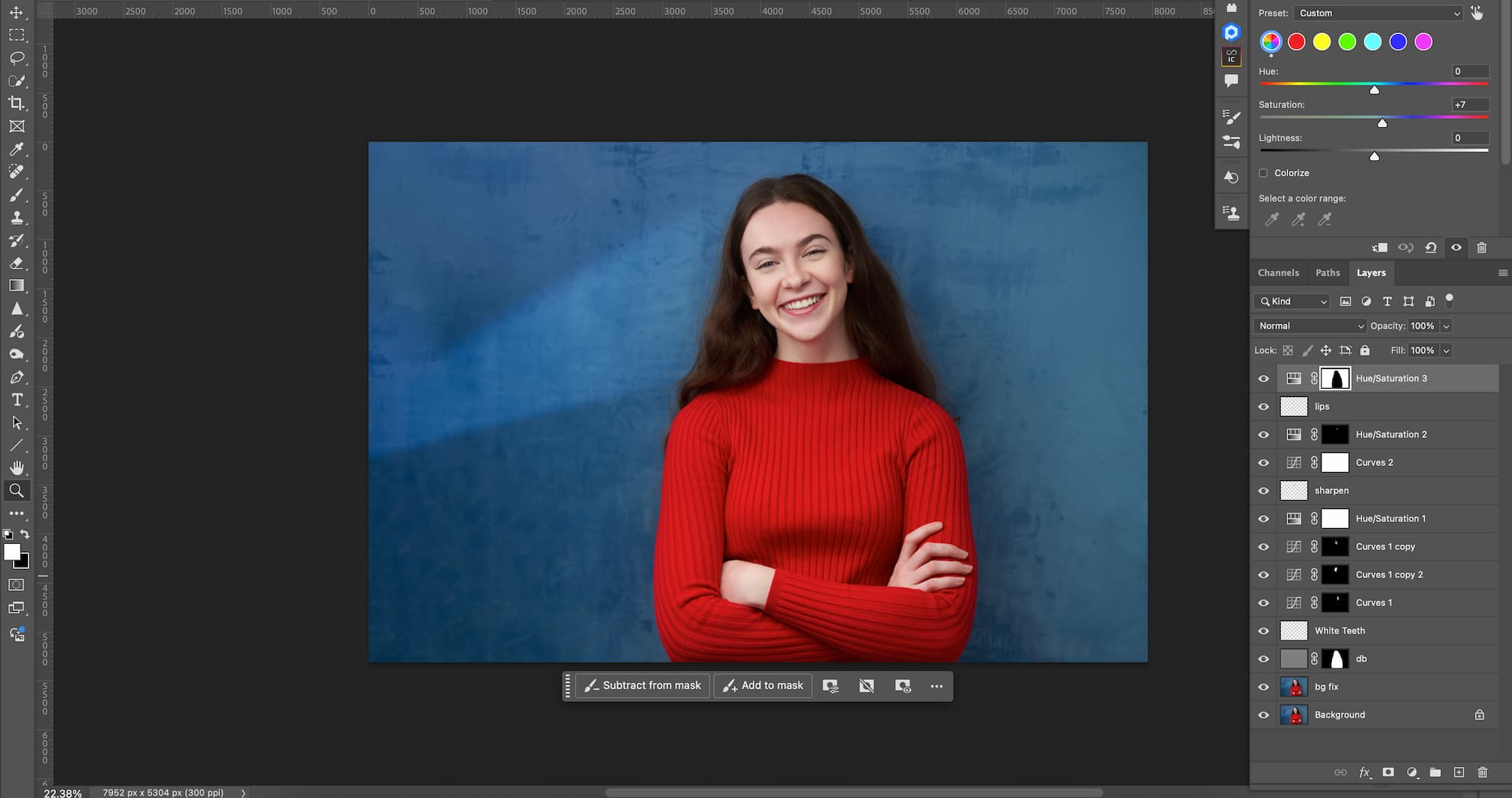
Before you panic about reshoots, try these first:
Ask for retouching adjustments. Most photographers include basic retouching and will happily adjust further. Soften shadows under your eyes, smooth out that weird highlight, remove the distraction in the background. Be specific: “Can you brighten my face a bit and tone down the yellow?” works better than “Can you make me look better?”
Request different crops. A tighter crop might eliminate that awkward hand position. A looser crop could feel more natural. Sometimes the same photo at different framings feels completely different.
Try black and white. Color casts can make you look tired or sallow. Converting to black and white removes that variable entirely and often feels more polished anyway.
Look at different selects. Your photographer probably delivered 10-20 images but shot 100+. Ask if there are other options from the session—different expressions, angles, or moments might work better. The good thing about reviewing the images together with your photographer (and even selecting) during your shoot is you can always make adjustments and shoot more. That way there is no need for a complete re-shoot.
These basic adjustments take minimal time and most photographers will do them gladly (especially if you’re polite about it). Try this before considering anything more drastic.
How the Selection Process Works
Watch this walkthrough of an actual headshot selection session to see how we work together to find the right images.
Many photographers review photos with you during or right after the session. This collaborative approach helps catch issues early and ensures you’re comfortable with the direction. If you weren’t offered this during your session, it’s worth asking if you can review additional shots together before finalizing your selections.
When a Reshoot Actually Makes Sense
Sometimes the problem isn’t fixable with editing. You might need to reshoot if:
There’s a legitimate technical problem. Everything’s slightly out of focus, the lighting doesn’t look good, the color balance is unsalvageable. These are professional errors and most photographers will offer a redo without you asking. Although really those things should have been fixed during the shoot.
Your wardrobe or grooming actively hurt the shots. That bright white shirt is blown out in every frame. Your collar won’t stay down. You tried a new hairstyle the morning of and it didn’t cooperate. (For what it’s worth, this is why many of us suggest a consultation before the shoot.)
The style doesn’t match what you discussed. You asked for approachable and warm; you got stark and corporate. Or you needed serious and authoritative but everything feels too casual.
You weren’t comfortable and it shows in every frame. Sometimes the dynamic just doesn’t work. You were nervous, the photographer didn’t give you enough direction, and your discomfort is visible throughout. This does happen and it is really on the photographer to help make you as comfortable as possible.
What’s usually not worth a reshoot: “I just don’t like seeing photos of myself” or “I look different than I expected.” Those are internal adjustment issues, not really photography issues.
How to Talk to Your Photographer
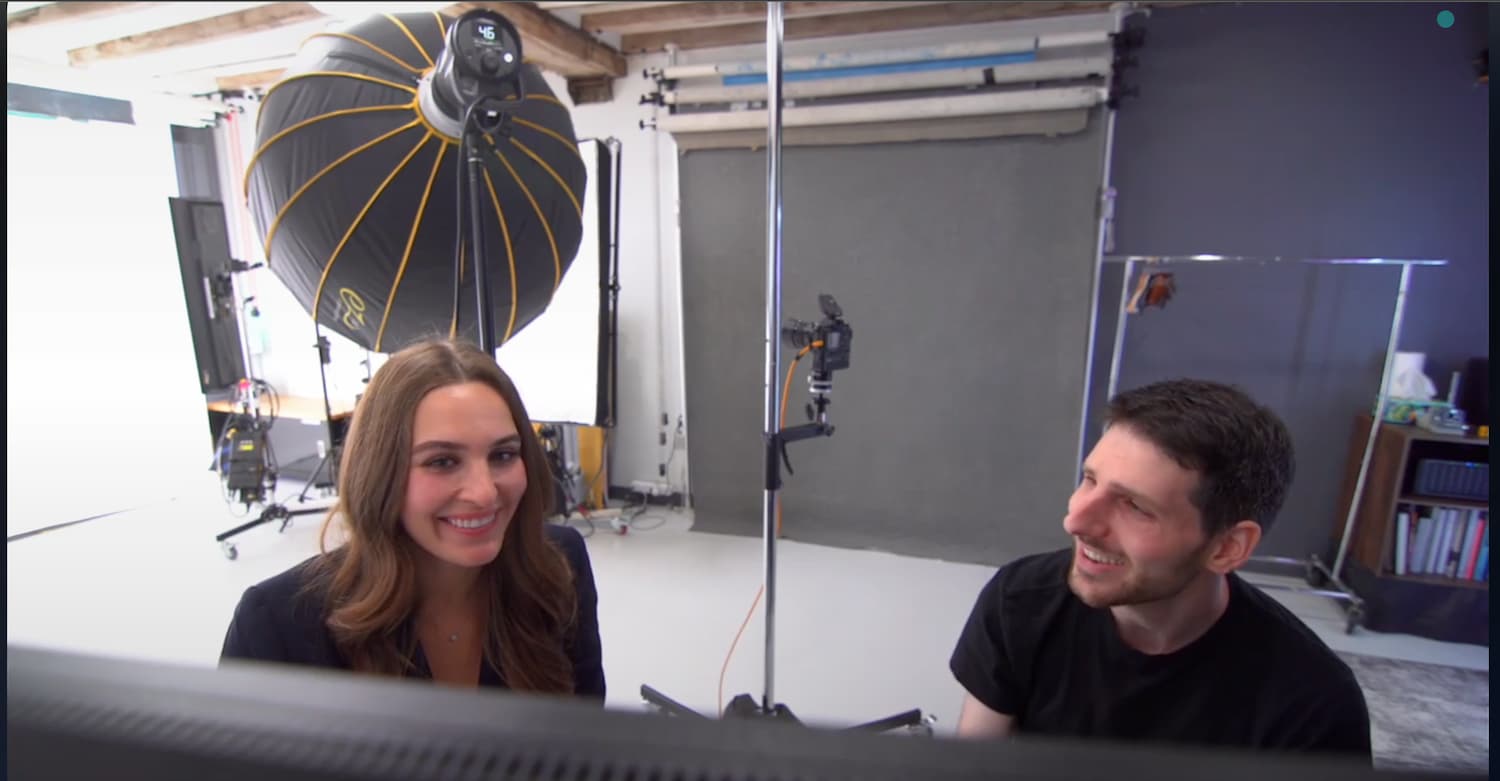
This feels awkward. You don’t want to insult their work, but you also can’t use photos you hate. Here’s how to approach it:
Be specific, not general. Don’t say “I don’t like any of them.” Say “The lighting feels harsh in most of these—can we look at alternatives?” or “My expression looks stiff to me—do you have shots where I look more relaxed?”
Assume good intent. Professional photographers want you to have usable photos. It’s in their interest for you to be happy. Most will work with you on adjustments or alternatives. They should be willing to find some solution.
Ask what’s possible. “Could we try different retouching on these two?” or “Are there other selects from the session we could look at?” Many problems are solvable without reshooting. Again this is the good part about reviewing with your photographer during the actual shoot.
Be honest if something’s genuinely wrong. If there’s a technical issue or the shots don’t match what you discussed, say so clearly. A good photographer will want to make it right.
Understand what’s reasonable. “Can you make me look 10 years younger?” isn’t reasonable. “Can you soften the shadows and adjust the color so I don’t look quite so tired?” is.
Preventing This Next Time
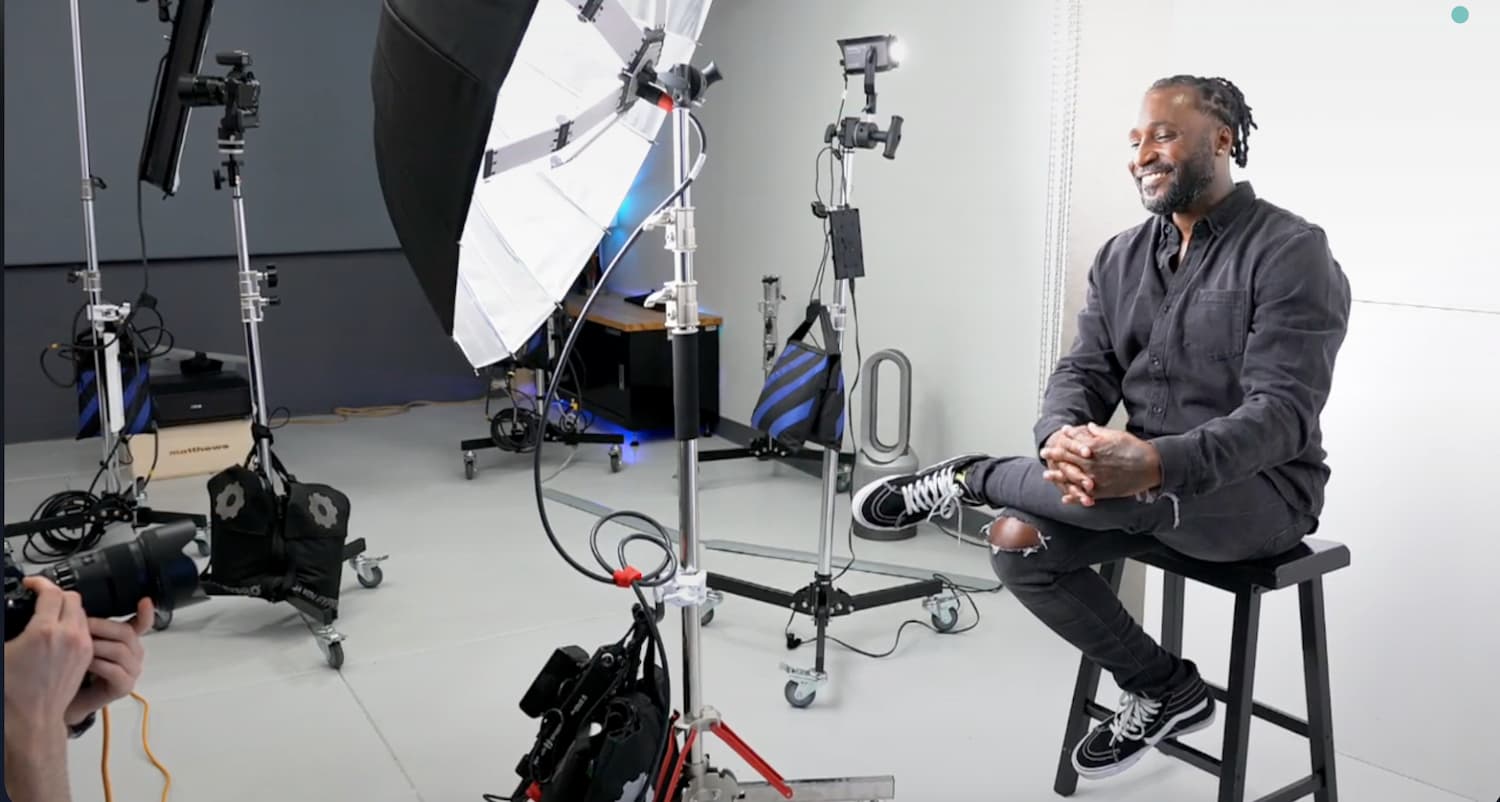
If you do end up reshooting (or when you need headshots again in a few years), here’s what helps:
Look at examples during the session. Most photographers will show you shots on the back of the camera or on a computer periodically. If something feels off—your expression, your posture, the lighting—mention it then. Much easier to adjust in the moment. Also, don’t be afraid to bring anything up during the shoot. You both have the same goal, so mention any and everything you might be concerned about.
Communicate your concerns upfront. “I hate having my photo taken” or “I always look stiff in professional photos” or “I have a weird smile when I force it” are all useful things for a photographer to know. They can adjust their approach accordingly.
Bring wardrobe options. Multiple shirts/jackets mean you can switch if something isn’t working. (Avoid busy patterns)
Know your own preferences. Do you like tighter crops or looser? More formal or more casual? Color or black and white? Looking directly at camera or slightly off? The more you can articulate this, the better your results will be. Before you schedule your headshots, look for photos you like online, compare those with photos on the photographers website. Make sure this is the right match for you. All photographers shoot a little differently after all.
Set realistic expectations. You’re going to look like yourself. Just probably more polished, in better lighting, with professional guidance. If you’re expecting to look like someone else entirely, you’ll be disappointed.
The Honest Truth
Sometimes you just need time to adjust to seeing yourself in professional photos. We’re terrible judges of our own images—too close, too critical, too aware of every tiny asymmetry nobody else notices.
Give it a few days. Get outside opinions. Try the simple fixes first. Most “I hate all my headshots” situations resolve with minor adjustments and some perspective.
But if there’s a genuine problem—technical issues, mismatched expectations, real discomfort throughout—speak up. Professional photographers expect this occasionally and build flexibility into their process for exactly this reason.
You deserve headshots you feel good using. Just make sure you’re solving the right problem before you decide what needs to change.
Ready to book a session where you’ll feel comfortable and confident? Contact me to discuss your headshot needs, and we’ll work together to create images you’ll actually want to use.
Ready to Get Started?
Have questions? Let's discuss your needs and create perfect professional images.